Community Initiatives: Turning Local Ideas into Action
Explore community initiative examples and practical steps for Basingstoke residents to identify local needs, find partners and turn ideas into useful action.

Community initiatives are practical efforts by residents and local groups to improve a shared place or address a common need. Examples include organising a litter pick, setting up a skills-sharing group, supporting isolated neighbours or creating activities for young people. In Basingstoke and nearby villages, a good starting point is to identify one local concern and agree on a manageable response.
An initiative does not need a formal committee or a large budget to be useful. A small, well-organised effort can bring residents together, make a public space more welcoming or connect people with support already available.
The steps below explain how to recognise a workable idea, learn what neighbours need and plan a safe, realistic first action. They also highlight common pitfalls, so a group can build trust and keep its efforts focused.
- Community initiatives turn shared local concerns into practical, collective action.
- Examples include improving shared spaces, sharing skills and creating ways for neighbours to connect.
- Listen to affected residents, check existing arrangements and begin with a manageable first step.
- Agree roles, permissions and a simple way to review what worked.
What counts as a community initiative?
Shared needs, local action
A community initiative is a purposeful activity organised by residents or local groups to improve something people share. It might respond to loneliness, an untidy green space, limited activities for families or a need to exchange practical skills. The defining feature is collective action: people identify a local concern and work together on a response.
The scale can be modest, such as arranging a regular walk for neighbours or coordinating a one-off clean-up near a well-used path. Other efforts may take longer, including establishing a community garden or a regular programme of activities. In either case, the group should be clear about who the work serves and what change it hopes to make.
For Basingstoke residents, a concern may arise in a town-centre neighbourhood, a housing estate or a nearby village. An idea becomes more useful when it is grounded in what people there actually experience, rather than assumptions made on their behalf. Ask who is affected, what they have already tried and whether a simple collective response could help.
Informal or organised efforts
Some initiatives begin as informal cooperation between neighbours, while others need a named group, agreed roles or a relationship with an organisation. The right structure depends on the activity: sharing information may need little administration, but handling donations, using a venue or working with children calls for clearer arrangements.
A residents' group can help people make decisions together and keep track of tasks, but it is not essential for every small project. People can first test an idea with a short activity, then decide whether regular meetings or written responsibilities would make it more dependable. This keeps administration proportionate to the work.
Community action is not the same as a service that professionals deliver, although groups may collaborate with established organisations. Residents can contribute local knowledge, time and connections, while partners may offer advice or facilities. Agreeing who is responsible for each part prevents confusion and helps participants understand what the group can and cannot provide.
Examples of ways residents can work together
Care for shared places
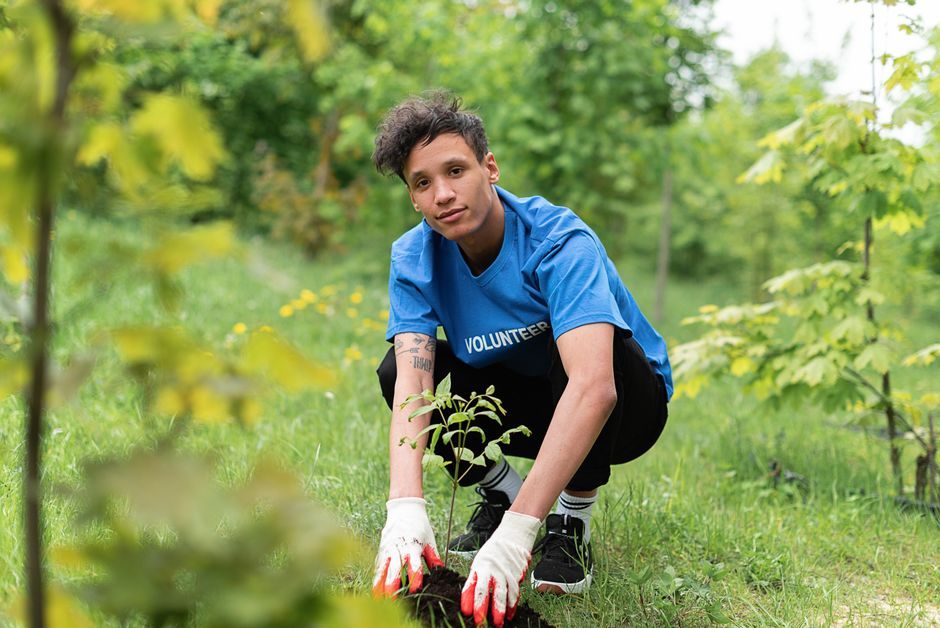
A practical example is a resident-led effort to make a shared outdoor space cleaner, greener or easier to use. Neighbours might arrange a litter pick, plant suitable flowers with permission or report a recurring maintenance issue through the appropriate channels. In Basingstoke, first establish who manages the site before organising work there.
- ☐ Ask who manages the site.
- ☐ Check what permission is needed.
- ☐ Agree on a safe, defined task.
- ☐ Plan how waste or materials will be handled.
Projects in places such as parks, play areas or paths need to consider access, safety and the people who use them. A brief conversation with regular users can reveal whether the priority is tidiness, seating, clearer information or something else. That feedback helps volunteers choose an action that improves the space without creating new problems.
Keep the first activity specific and manageable: agree on a location, a task and how people will share the work. Participants should know what equipment is needed, how waste will be handled and whom to contact about hazards. If the work involves planting, structures or changes to public land, seek permission before proceeding.
Connect people and skills
Residents can also organise activities that help people meet, learn or support one another. Examples include a skills swap, a shared repair session, a conversation group or a welcoming activity for newcomers. A clear purpose helps participants understand what to expect and whether the gathering is suitable for them.
A group might use local knowledge to pair someone who can mend a bicycle with a neighbour who wants to learn, or arrange a regular social walk for people who would otherwise go alone. Keep the format accessible by considering timing, transport, mobility and whether newcomers can join without knowing anyone.
Support-focused initiatives should set sensible boundaries from the outset. A neighbourly check-in can reduce isolation, but it is not a replacement for professional care, emergency help or specialist advice. Agree how to respond if someone raises a serious concern, and make sure volunteers know which established services or responsible organisations can offer further support.
Start with a clear local need
Listen before choosing action
Begin by finding out whether other people share the concern and how it affects them. A short conversation at a residents' meeting, community venue or informal gathering can surface different experiences that a quick online poll may miss. Ask open questions, listen without promising a solution and note which groups may not yet have been heard.
Make the issue concrete before proposing a project. Instead of saying that a neighbourhood needs to feel more connected, identify what residents describe: perhaps newcomers struggle to meet people, or families want a low-cost activity nearby. A clearly stated need gives a group something specific to test and makes it easier to judge whether its response helps.
Use what you learn to separate symptoms from causes. A messy corner might reflect a lack of suitable bins, unclear responsibility or repeated fly-tipping, and each would call for a different response. Check existing arrangements before taking on work that belongs to a land manager or public service, and record questions that need follow-up.
- Ask who experiences the issue.
- Gather views in more than one way.
- Describe the concern in plain language.
- Check whether a service or group already responds.
| Approach | Useful for | First action |
|---|---|---|
| Neighbour conversations | Understanding personal experiences | Ask open questions in a suitable gathering |
| Walkabout | Seeing a place-based issue directly | Note concerns and check who manages the site |
| Small trial activity | Testing interest in a proposed response | Agree on a limited task and gather feedback |
| Contact an existing group | Checking current support or arrangements | Explain the concern and ask what is already in place |
Choose a useful first step
Choose an initial action that is small enough to organise but meaningful enough to test the idea. If residents want more chances to meet, a single informal gathering can show whether the timing, venue and format work. If the concern is a neglected place, a walkabout may clarify the issue before anyone commits to maintenance.
Agree on a simple sign of progress before the activity begins. That could be whether people attend, whether participants ask for another session or whether the group gets a clear response from the responsible organisation. These observations are more useful than vague claims of success because they help residents decide what to adjust next.
Avoid setting expectations beyond the group's capacity. A one-off event cannot solve a complex or long-standing problem, but it can build relationships and identify what further help is needed. Tell participants what the effort can deliver, what remains unresolved and how they can contribute to the next decision.
A workable initiative needs people with relevant knowledge as well as willing volunteers.
Find partners and build a practical plan

Bring the right people in
A workable initiative needs people with relevant knowledge as well as willing volunteers. Depending on the idea, that might mean talking with a residents' association, a school, a community venue, a local charity or the organisation responsible for a public space. Explain the need and ask what is already happening before proposing a partnership.
Invite people who are affected by the issue to shape decisions, not just attend after the plan is complete. Consider barriers such as language, mobility, caring responsibilities and meeting times. A project designed with its intended participants is more likely to be useful and welcoming than one based on what organisers assume people want.
Be specific when approaching a potential partner: describe the local concern, the action being considered and the help you are seeking. That request might be advice, permission, a room or a way to reach residents. Clear boundaries also matter; agree who makes decisions, who handles practical tasks and what each party is not able to provide.
Make the plan manageable
Turn the idea into a short plan that names the task, responsible people, required permission and next decision point. Include practical details such as access, materials, communication and what to do if a volunteer cannot attend. Writing these down prevents the same few organisers from carrying every responsibility by default.
Consider safeguarding, insurance, health and safety, data protection and money wherever the activity makes them relevant. Requirements differ according to the work and the setting, so check with the venue, land manager or partner rather than guessing. If the group collects personal details or donations, decide how they will be handled responsibly.
Set a review point after the first activity and ask participants what worked, what caused difficulty and what should change. A group may discover that a different time, clearer information or another partner would make the next effort more accessible. Keep a record of decisions and contact arrangements so the initiative can continue without relying on one person's memory.
Share information so residents can take part
Choose clear communication channels
Make it easy for people to understand what the initiative does, who can join and what help is needed. A notice in a shared community space may reach people who do not follow local social media, while a short online post can be passed on quickly. Use the channels residents already rely on rather than expecting everyone to find a new one.
- Decide who needs to hear about the initiative.
- Choose online and offline channels those residents use.
- Publish the purpose, practical details and a contact route.
- Update or correct the information when plans change.
Keep each message focused on one action, such as attending a meeting, lending equipment or suggesting a site for a project. Include the time, place, access arrangements and a contact method, and say whether people need to book. If plans are still being discussed, label them as proposals so readers do not mistake an idea for a confirmed event.
Groups trying to make an initiative easier to find online may consider Seo Services as one resource when deciding how to reach residents. Whatever channel you use, write in plain language and avoid assuming everyone has a smartphone, reliable internet access or the same first language. Ask a few residents to check that the information is understandable before sharing it widely.
- Put key details at the start.
- Offer an offline way to respond.
- State whether plans are confirmed.
- Check that messages are accessible.
Make participation practical
People are more likely to take part when the request feels manageable. Instead of asking for open-ended help, describe a specific task, such as sorting donated items, welcoming visitors or checking a draft leaflet. Explain how long the task is expected to take, what support is available and whether someone can help without attending every meeting.
Set out how residents can contribute ideas as well as time. A paper suggestion form, a brief conversation after a local gathering or an email address can provide alternatives to a formal meeting. Make clear who will read responses and how the group will report back, so contributions do not disappear without explanation.
If a project involves children, vulnerable residents or personal information, tell volunteers what safeguards and boundaries apply before they begin. Do not collect contact details unless there is a clear reason, and explain how they will be used. When sharing photographs or stories, ask permission and respect anyone who prefers not to be included.
Learn from community work in other places

Compare approaches, not appearances
Look at how another community group organises its work, rather than copying a project simply because it looks successful. A Basingstoke residents’ idea may face different access, transport or volunteer constraints from one in another town. Compare the need being addressed, who makes decisions and what ongoing work is required before deciding whether any part could transfer.
For example, a community-led clean-up elsewhere might depend on permission to use a site, safe ways to handle waste and a reliable collection arrangement. Those practical details matter more than the name or visual style of the campaign. Ask what happened after the launch, how organisers responded to setbacks and what help they needed to keep the activity going.
Residents comparing how businesses communicate with local audiences in another city can consult Leicester Seo Services for a place-specific example. Treat any business marketing example as a prompt to think about clear local information, not as a template for a volunteer initiative. A community group has different aims and responsibilities, so it should adapt lessons to its own residents.
- Identify the local need behind the example.
- Check what permissions and partners it required.
- Ask what kept volunteers involved.
- Adapt only the parts that fit.
Use local knowledge first
Start by asking residents and existing community organisations what has already been tried nearby. A similar activity may have ended because its organiser moved away, because a venue became unavailable or because another group now meets the same need. Finding out why prevents duplicated effort and may help you reconnect with useful contacts or materials.
Basingstoke and its surrounding villages are not interchangeable: people may rely on different meeting places, routes and communication channels. Ask a small range of residents what would make participation realistic, including people who are not already active in local groups. Their answers can reveal barriers that a planning team would otherwise miss.
Keep notes on what you learn, but distinguish confirmed information from personal recollections. If you hear that a permission, service or arrangement is available, check directly with the responsible organisation before building it into a plan. This simple habit helps a new initiative avoid promising something that depends on an outdated or misunderstood detail.
Avoid common problems as a project grows
Keep responsibilities manageable
Give each task a named volunteer or a clearly defined role, and agree what decisions that person can make. If one organiser becomes the contact for every query, purchase and update, the project can stall when they are unavailable. Sharing responsibility makes the work more resilient and lets new volunteers contribute without having to take over everything.
When an initiative works with a local business to share accurate information, Local Seo Services may help that business appear consistently in local searches. Keep the group’s own information accurate too, particularly meeting details, opening arrangements and the person to contact. Agree who checks updates and how often, so residents are not sent to a closed venue or an outdated page.
As the project grows, review the workload rather than assuming more volunteers automatically means less work. A larger group can create extra coordination, safeguarding and record-keeping needs. Pause or simplify activities that no longer serve the original purpose, and let participants know why priorities have changed.
- Assign an owner to each regular task.
- Keep a shared record of key decisions.
- Review workload before adding activities.
- Make a handover plan for essential roles.
Plan for safety and permissions
Check what permissions and safety arrangements apply before a group uses a public space, handles equipment or runs an activity for children. The requirements depend on the project and site, so confirm details with the relevant landowner or organisation rather than relying on an assumption. Build time for those checks into the plan before announcing a start date.
Make a simple risk review that matches the activity: identify likely hazards, decide how to reduce them and agree who will respond if something goes wrong. For a litter-picking event, for instance, volunteers need clear guidance about what not to touch and how to report hazardous items. Avoid asking volunteers to take on work beyond their training or agreed role.
Be transparent about money and donated goods, even when the sums or quantities are modest. Record what comes in, what is spent and who approved decisions, then share a straightforward update with participants. Clear records protect trust and make it easier to explain the project’s choices to residents, partners and future volunteers.
Keep the initiative useful and welcoming

Listen and adjust the activity
Ask participants and the people the initiative aims to help whether the activity is still useful. A brief conversation after a session or a simple feedback form can show whether the timing, location or format is creating barriers. Respond to what you hear, and explain when a suggestion cannot be adopted because of safety, permission or capacity limits.
- Mistake: relying on one invitation channel; better approach: combine online and offline notices.
- Mistake: expecting one volunteer to carry the project; better approach: share defined tasks and handovers.
- Mistake: assuming an activity works for everyone; better approach: ask about barriers and make practical adjustments.
Make it possible to join without already knowing the organisers. Welcome newcomers, explain any unfamiliar terms and give people a clear first task that does not require a long commitment. If a meeting is the main way decisions are made, share the agenda in advance and provide a way to contribute for anyone unable to attend.
Check who is missing from the room and consider why. A venue may be difficult to reach, an activity may not suit people with mobility needs, or the wording of an invitation may sound aimed at an established group. Ask respectfully, make adjustments where practical and avoid treating one person as a spokesperson for an entire community.
- Invite feedback in more than one way.
- Offer a straightforward first task.
- Explain decisions and changes.
- Review who can take part.
Know when to pause or finish
A community initiative does not have to continue unchanged to be worthwhile. Agree what signs would mean the activity needs a review, such as falling participation, a changed local need or the loss of a key venue. A planned pause can give volunteers time to reconsider the purpose without letting uncertainty drag on.
If the project is no longer needed, tell participants what has changed and what will happen to any shared equipment, funds or records. Follow any agreements attached to donations or permissions, and make sure personal information is handled appropriately. Closing responsibly is part of looking after the trust residents placed in the group.
When an activity has worked well, record the practical lessons before people move on. Note which contacts helped, what permissions were needed and which tasks took more time than expected. That information can help another Basingstoke neighbourhood or nearby village develop its own response, while leaving room for a different solution to fit different circumstances.
Frequently asked questions
How can I tell whether an idea is needed locally?Speak with the residents who would be affected and ask what they currently do, what gets in their way and what support they would find useful. Check whether a local organisation is already addressing the same issue, and verify any claims about facilities or services with the responsible body. A small conversation or trial activity can test an idea before a group commits to a larger plan.
Can a community initiative begin with only a few people?Yes. A small group can start by defining the need, dividing a few manageable tasks and checking what permissions or partners are required. Be honest about what the group can sustain, and invite others through clear, practical requests. Starting modestly helps organisers learn what works without promising an ongoing service or activity before they know the workload.
What if residents disagree about the project?Bring the discussion back to the shared need and make the choices visible: what options are possible, what each would require and who would be affected. Give people a fair chance to contribute, including those who cannot attend a meeting. If a decision depends on safety, permission or funding, explain that constraint and identify what can still be changed.
How can volunteers avoid taking on too much?Set boundaries around tasks, time and responsibility from the outset. Share essential roles, keep instructions and contacts somewhere the group can access, and review the workload as activities change. It is reasonable to reduce the scope, recruit more help or pause an activity when capacity is stretched; continuing at an unsustainable pace can undermine both volunteers and the project.
Turn a shared concern into a first step
A useful community initiative begins with a need residents recognise, then grows through clear roles, practical communication and honest checks on what the group can manage. Examples from elsewhere can offer ideas, but local knowledge should shape the final approach. In Basingstoke and nearby villages, a project is more likely to last when people can understand its purpose, join in different ways and see how their input affects decisions.
Choose one concern you have heard from neighbours and arrange a short conversation with the people most affected. Ask what would make a difference, what has already been tried and what a small first action could look like. Write down who will check permissions, share information and report back, then review the response before committing to a bigger programme.

Add Basingstoke Post as a preferred source on Google


