How Basingstoke Residents Can Start a Community Initiative
A practical guide for Basingstoke residents: identify a shared local need, find partners, choose a manageable first step and keep a project going.

A community initiative is a resident-led effort to address a shared local need or bring people together around a common interest. It might be a one-off activity or a continuing project, organised informally or with partner organisations. In Basingstoke and nearby villages, the best starting point is a clearly defined need that local people recognise and can realistically address.
You do not need a finished plan or a large group before you begin. Talk with people affected by the issue, check whether related work is already happening, and agree on a small first action. A clear purpose, shared responsibilities and a way to learn from the result can help keep the effort manageable.
The guide below covers how to define a community initiative, build local support, choose an appropriate first step and avoid common planning problems. It also compares ways to involve residents and partners, so you can select an approach that fits the people, time and resources available.
- A community initiative responds to a need residents share and can take an informal or organised form.
- Listen to affected people and check existing local work before settling on a plan.
- Invite a useful mix of residents and partners, with clear, manageable roles.
- Test the idea with a practical first action, then use feedback to decide what comes next.
What counts as a community initiative
A shared purpose in practice
A community initiative is a practical effort by local people to improve something they share, whether that means a place, a service or a sense of connection. The effort can be informal, such as neighbours arranging a regular litter pick, or more structured, with agreed roles and a partner organisation. What matters is a clear community purpose, not a formal title.
- Mistake: starting with a solution before asking who needs it; better approach: check the concern with affected residents first.
- Mistake: describing an ambition too broadly; better approach: name one local issue and the people it affects.
- Mistake: treating publicity as the project; better approach: decide what residents can do after hearing about it.
In Basingstoke, the concern might relate to a street, a nearby village, access to activities or opportunities for residents to meet. Start by describing the issue in everyday terms and naming who is affected. That keeps the idea grounded in residents’ experience rather than turning it into a broad ambition that is difficult to act on.
A group exploring ways to raise awareness could use cheap press release distribution to share a clear announcement with a wider audience. Publicity, however, does not make an idea a community initiative by itself; the work still needs a defined purpose and a meaningful role for local people. First establish what change residents want and who will help deliver it.
Projects, groups and events
An initiative can take several forms, and the right one depends on what residents want to achieve. A one-off event may help people meet or test interest, while a recurring activity can address a continuing need. A residents’ group may instead focus on gathering views and raising a local concern with relevant organisations.
Think of the initiative as the purpose and the activity as the way to pursue it. For example, bringing neighbours together is a purpose; a shared gathering is one possible activity. Keeping that distinction clear makes it easier to change the format if people’s needs, available time or practical conditions change.
Some projects may eventually need a committee, a constitution or a formal organisation, but those arrangements are not automatically required at the outset. Begin by asking what the activity involves, who is responsible and whether money, permissions or insurance need attention. If the project grows, seek appropriate advice before taking on obligations on behalf of others.
Start with a need people share

Listen before planning
Begin with a conversation, not a proposal: ask residents what they have noticed, who is affected and what they have already tried. A short discussion with people who experience the issue can reveal practical details that an organiser might otherwise miss. It also helps distinguish a shared concern from one person’s understandable but untested assumption.
Choose an easy way to gather views that suits the people concerned, such as doorstep conversations, a small meeting or a simple written question circulated through existing local contacts. Be clear about who you are asking and why. Make it possible for people who cannot attend in person to contribute, where practical.
If residents are researching ways to present a local project, a guest post marketplace is one option for finding publishing opportunities, though local networks may be more useful. Before thinking about broader coverage, gather evidence of what neighbours want and agree how their views will shape the idea. That gives any later explanation a stronger and more accurate foundation.
- Ask open questions about the issue.
- Speak with people directly affected.
- Record recurring concerns and suggestions.
- Share back what you heard.
Define a workable need
Turn what you hear into a specific problem statement before choosing an activity. For instance, “residents need more chances to meet” is easier to explore than “the community needs improvement.” A useful statement identifies the people affected, the difficulty they describe and the change they would welcome.
Check whether another group or organisation is already addressing the same concern in Basingstoke or a nearby village. Existing work may offer a route to contribute, coordinate or fill a genuine gap rather than create a competing effort. Ask permission before sharing another organisation’s information, and avoid assuming its plans or capacity.
Keep the first version of the problem statement open to revision. If conversations show that different residents experience the issue differently, record those differences instead of forcing consensus. You can then decide whether the initiative should focus on one clearly shared need or make room for several related concerns.
Find residents and local partners
Invite the right mix
Invite people who are affected by the need, people willing to help and anyone with relevant local knowledge. A group does not have to be large to begin, but it should not rely only on the organiser’s closest contacts. In Basingstoke and surrounding villages, use existing community connections to reach people beyond one street or circle.
Groups seeking outside support for a public-facing project may encounter buy sponsored posts as a way to pay for coverage, and should weigh the cost against other outreach options. For an initiative still forming, direct conversations and local networks can help test whether the project has support before committing resources. Choose communication methods that let potential participants respond.
A local partner might be a community organisation, school, venue or public body, depending on the issue and its responsibilities. Approach potential partners with a concise explanation of the need, the people involved and the specific help you are seeking. Do not imply that an organisation has agreed to support the project until it has confirmed that directly.
| Approach | Best for | Consider |
|---|---|---|
| Neighbour conversations | Hearing personal experience | Reach beyond close contacts |
| Small local meeting | Discussing options together | Choose an accessible venue |
| Community organisation | Local knowledge or support | Confirm roles and capacity |
| School or public body | Relevant community connection | Check responsibilities first |
Make participation clear
Tell people what joining involves before asking them to commit. Explain the purpose, the likely tasks, how decisions will be made and whether the activity is a one-off or ongoing. Specific expectations help residents choose a realistic role instead of feeling they must take on an open-ended responsibility.
Offer different ways to contribute, such as sharing local knowledge, helping with a single task or attending a discussion. Some residents may have limited time, mobility or confidence speaking in a group, so consider accessible venues and ways to respond. Ask participants what would make involvement practical rather than guessing on their behalf.
Agree a simple way to keep in touch and share decisions, using a method everyone involved can access. Record who is responsible for the next action and when the group will check progress. If a partner is involved, confirm what each side has agreed, including any limits on space, resources or decision-making.
Set a modest, observable aim for the trial, such as finding out whether residents want a regular activity or identifying what prevents people from taking part.
Choose a practical first step

Start small and test
Choose a first action that can test the idea without requiring the group to promise more than it can deliver. That could mean holding a listening session, trying a single activity or mapping a local concern with residents. Organisations comparing communications suppliers may come across white label link building, but should check that any service supports their actual community goals.
- ☐ Name the trial’s purpose and intended participants.
- ☐ Confirm the location and any required permission.
- ☐ Assign a lead for each practical task.
- ☐ Decide how participants can give feedback.
Set a modest, observable aim for the trial, such as finding out whether residents want a regular activity or identifying what prevents people from taking part. Make the aim specific enough to review afterwards. Avoid promising a lasting service until you understand the time, skills and support needed to sustain it.
Before setting a date or inviting people, check the practical requirements for the activity and location. Depending on the plan, that may include permission to use a space, accessibility, safeguarding, insurance or handling money. Ask the relevant organisation or authority for current requirements rather than relying on assumptions or another group’s arrangements.
Review what happened
After the first activity, compare what happened with the aim you set beforehand. Ask participants what worked, what was difficult and whether the activity addressed the need they identified. A short, honest review is more useful than counting attendance alone, especially if the project is meant to improve access or build trust.
Capture feedback while it is fresh, but make participation optional and explain how comments will be used. Look for practical patterns: whether the timing suited residents, whether the activity reached the intended people and what would need to change. Share a brief account of the findings with participants so they can see how their input mattered.
Use the review to choose among continuing, adapting, partnering or stopping. If the trial revealed a different need, return to residents before changing direction. If the group continues, agree the next manageable action, name who will lead it and set a point to review progress again.
Plan how to share the work
Agree roles and boundaries
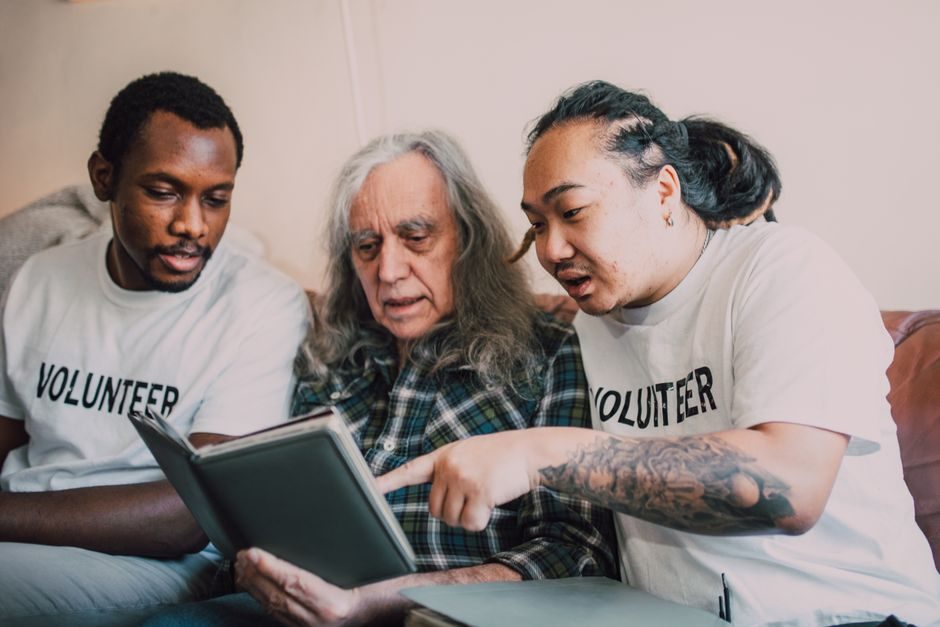
Give each volunteer a clear, manageable responsibility rather than expecting everyone to do everything. For a project serving people in Basingstoke or a nearby village, one person might coordinate bookings while another tracks supplies and a third welcomes participants. Agree what each role includes, how much time it is likely to take and who can step in when someone is unavailable.
Write down the decisions the group has made, including who can approve spending, handle messages or speak on its behalf. A short shared record prevents misunderstandings when people miss a meeting or join later. If a task involves personal information, agree who can access it and how it will be kept securely.
Set a regular check-in that suits volunteers’ schedules, whether that is a brief meeting or an agreed message update. Keep it focused on progress, obstacles and decisions that need the group’s input. A group that needs help producing online material could consider guest posting services uk, while checking whether a provider understands its audience and purpose.
- Name a lead for each task.
- Agree who can make routine decisions.
- Set a realistic time commitment.
- Choose a way to hand over work.
Make volunteering manageable
Plan the work around the time people can reliably offer, not the enthusiasm they express at the first meeting. A short event in a town-centre venue may need a different rota from a recurring activity in a village. Ask volunteers about practical limits, such as travel, caring duties or the hours they can attend.
Break larger responsibilities into small jobs that can be completed independently. Instead of asking one person to run an entire event, divide preparation into tasks such as confirming the venue, welcoming attendees and checking equipment. This makes it easier for new volunteers to contribute without taking on an undefined commitment.
Build in a way for people to pause or leave without the project being stranded. Keep essential instructions in a shared, access-controlled place, and make sure at least one other volunteer understands any time-sensitive task. Thank people for specific contributions, and review workloads if the same names repeatedly carry the practical work.
Get the word out responsibly
Choose suitable local channels
Match each message to the people who need it and the way they are likely to receive local information. A notice in a shared community space may reach people who do not follow social media, while a carefully worded online post can be shared among residents in Basingstoke and nearby villages. Check permission before placing notices on private property or community noticeboards.
- Decide whom the message needs to reach.
- Choose a suitable channel and get permission.
- Share clear, confirmed details and a contact route.
- Check responses and update outdated information.
Make the invitation specific: say what the initiative offers, who it is for, when and where it will happen, and how someone can ask a question. If details are not confirmed, state that clearly rather than implying arrangements are settled. For community organisations seeking professional marketing support, an seo agency directory can help them browse agencies, though referrals and local contacts may be a better starting point.
Use consistent information across posters, emails and online posts so residents are not left comparing conflicting times or contact details. Name a person or monitored group address for enquiries, and make sure someone is responsible for checking it. Remove or update old notices when arrangements change, especially where people might travel to attend.
- Ask before displaying a notice.
- Include confirmed practical details.
- Provide a monitored contact route.
- Update messages when plans change.
Protect privacy and trust
Ask before taking or sharing photographs, names or personal stories, particularly when children or people seeking support may be involved. Explain where material will appear and make it easy for someone to decline without losing access to the activity. Avoid collecting personal details simply because a form makes them convenient.
Keep contact lists limited to the volunteers who need them, and do not add residents to group messages or mailing lists without their agreement. When sharing updates, use a method that does not expose recipients’ addresses to one another. Decide how long records are needed and remove information when it no longer serves a clear purpose.
Describe the initiative accurately and avoid promising outcomes, services or support that the group cannot guarantee. If an activity changes, tell participants directly and correct any public information promptly. Clear boundaries protect trust and help residents understand whether the project is suitable for them before they commit time or share information.
Avoid common organising problems
Prepare for predictable setbacks
Name the practical risks before they become urgent, including a volunteer becoming unavailable, a venue falling through or materials arriving late. For a Basingstoke activity, consider how participants will hear about a change if they are travelling from a nearby village. Decide who can make a cancellation call and how the group will communicate it.
Keep a simple record of essential arrangements, such as permission to use a space, access needs, equipment responsibilities and any agreed spending limits. Confirm arrangements with the relevant people rather than relying on a recollection of a conversation. If the plan depends on external approval, do not advertise it as definite until that approval is in place.
Use a proportionate safety plan suited to the activity, setting and participants. Think about access, supervision, first aid arrangements and what volunteers should do if a concern arises. Where specialist advice or formal permissions may be needed, ask the appropriate venue, organisation or local authority contact instead of guessing.
- Identify the most likely disruption.
- Agree who can change or cancel plans.
- Record permissions and key arrangements.
- Check safety and access needs.
Handle disagreement constructively
Address disagreements while they are still about a specific decision, rather than allowing them to become judgements about people’s motives. Restate the shared purpose, identify the choice that needs to be made and hear the practical reasons behind each view. A calm conversation can reveal that people agree on the goal but differ about timing or workload.
Use an agreed decision method, such as seeking consensus first and then recording a majority decision if the group has chosen that approach. Make sure quieter volunteers have a chance to contribute, including people who cannot attend every meeting. Record the outcome and any unresolved concern so the same discussion does not restart without new information.
Set respectful boundaries if a conversation becomes personal or a volunteer repeatedly disregards agreed responsibilities. A coordinator can pause the discussion, speak privately with those involved and bring the group back to its purpose. If a serious safeguarding or conduct concern arises, follow the relevant organisation’s procedures and seek appropriate help rather than trying to manage it informally.
Keep the initiative useful over time

Review what residents need
Check whether the initiative is still addressing the need that brought people together, rather than assuming the original plan remains right. Ask participants and people who stopped attending what is working, what is difficult and what would make the activity more accessible. Offer a simple way to respond, including privately for anyone uncomfortable speaking in a group.
- Ask residents whether the activity still meets a real need.
- Review volunteer capacity alongside participation.
- Adapt or pause when circumstances change.
Look for practical signs of usefulness, such as whether people can attend, whether volunteers can sustain the workload and whether the activity is reaching the residents it intended to serve. Attendance alone may not explain why someone came or what they gained. Use conversations and observation alongside any records the group has permission to keep.
Review changes in the local situation before repeating a project automatically. A need may have eased, shifted to another part of Basingstoke or become harder to address with the group’s available time. Discuss whether to adapt, pause or close the initiative, and explain the reasoning clearly to participants and partners.
- Ask participants what helps them take part.
- Invite feedback from people who stopped attending.
- Review workload as well as attendance.
- Decide whether to adapt, pause or continue.
Build continuity and handovers
Keep essential project information in a shared record that future volunteers can understand without being present at every meeting. Include the purpose, current arrangements, key contacts by role, outstanding tasks and any permissions that need renewal. Avoid placing sensitive personal details in general notes or storing records where unauthorised people can access them.
Plan for continuity before a key organiser steps back, rather than waiting until their final day. Invite another volunteer to learn the task, then let them try it with support. A straightforward handover can preserve useful relationships and routines while giving the original volunteer a clear route to reduce their commitment.
Do not treat continuation as the only successful outcome. If the need has changed or the group no longer has enough capacity, close or pause the activity responsibly, tell participants what to expect and deal with remaining funds or materials according to agreed arrangements. A clear ending can leave residents with useful learning and a sound basis for future action.
Frequently asked questions
Does a community initiative need to be formally registered?Not every small, informal activity needs a separate legal structure, but the right arrangement depends on what the group does, handles and promises. Regular fundraising, employing people, managing significant funds or accepting responsibility for a venue can bring extra duties. Before taking on those commitments, check relevant guidance and consider asking an established local organisation or qualified adviser what structure fits.
How can residents find out whether a local need is already being addressed?Start by asking the people affected and speaking with local community groups, schools, faith organisations or residents’ associations where appropriate. Search for existing activities through local noticeboards and public community information, then contact organisers directly to confirm what is current. An existing project may welcome volunteers or referrals, and joining forces can avoid duplicating effort or confusing residents.
What should a group do if it has no budget?Begin with an activity that can work using resources people have freely agreed to contribute, and be clear about any costs before committing. Ask venues or potential partners whether they can offer advice, space or equipment, but do not assume support is available. Keep records of any contributions and avoid asking volunteers to spend their own money unless repayment arrangements are agreed in advance.
How can a group include residents who cannot attend meetings?Offer more than one way to contribute, such as a short written response, a phone conversation or a flexible volunteer task. Share the question to be decided in advance and report back on the outcome, so people can follow the discussion without being present. Ask about practical barriers such as timing, access or transport, and adapt where the group reasonably can.
Make the next step manageable
A community initiative starts with a need residents recognise, but it lasts only when the work is clear, communication is responsible and volunteers have room to contribute at a sustainable pace. In Basingstoke and nearby villages, the right approach will depend on the people involved and the local circumstances. Keep the plan proportionate, check what is already happening and review whether the activity remains useful.
Choose one practical next step: speak with a few residents affected by the issue, write down the need they share and identify who could help test a small response. Agree how you will divide the first tasks and check the arrangements before inviting people to take part. A modest, well-organised start gives the group something concrete to learn from and improve.

Add Basingstoke Post as a preferred source on Google


