How to announce a death in Islam: clear, respectful guidance
A practical, respectful guide for notifying family, authorities and communities when a death occurs in London, with steps and wording tips.

When a death occurs, the first step is to inform the immediate family and close friends with sensitivity and clarity. This guide explains practical steps for announcing a death in Islam, while keeping accuracy and respect at the forefront. It covers who to notify, what to say, and how to handle the information in public and private channels.
Readers will learn the key steps: confirming the death, contacting mourners, and choosing appropriate channels for outward announcements. The guidance focuses on factual, respectful wording and practical timing to avoid confusion or distress.
Across the steps, you’ll find concrete examples of phrases and a checklist to keep announcements consistent and considerate for a Muslim family and community in London.
- Begin with the closest family and inform those who must know first.
- Use clear, respectful language and avoid sensational details in all notices.
- Coordinate with religious leaders and the funeral director to align on timing and channels.
- Keep public information accurate, consent-based, and sensitive to the community context.
Basics of the announcement
Who should be informed
Start with immediate family first, then expand to close friends and community members as appropriate. In Muslim practice, inform those who are directly impacted by the loss and who will participate in funeral arrangements. Be mindful of cultural expectations within the local community and the family’s preferences. announce a death in London is a practical starting point for families handling initial notices.
This section helps readers distinguish essential recipients from broader audiences to avoid unnecessary distress. It also suggests practical sequencing so the process feels orderly.
For some, informing colleagues or employers may be necessary for time off or coverage.
- Begin with close relatives
- Ask about preferred timing
- Offer support and contact methods
- Avoid public posting until the family agrees
- Respect religious and cultural practices
What to say in initial notice
Use a straightforward, compassionate tone that identifies the deceased by name and relationship. Include essential facts such as date and place of passing only if known and appropriate. Offer support and specify who will handle funeral arrangements and follow-up communications.
The aim is to inform without sensationalism, giving readers a template that can be adapted for family permissions and local customs.
Avoid religious or cultural jargon unless you are sure it aligns with the family’s beliefs and the local Muslim community.
- State the deceased’s full name
- Mention relationship to the family
- Provide next steps for contact and support
- Use a calm, respectful tone
- Confirm if public notices are permitted
Legal and community channels

Who to notify officially
Official notices usually involve funeral director, imam or mosque leadership, and local authorities if required by law. In London, follow local regulations and don’t publish sensitive information without consent. Coordinate with the family to determine what needs formal notification. Criticize UK online posts should be avoided in favour of respectful, accurate sharing.
This helps readers understand the distinction between private messages and official notifications. It also emphasizes legal and community considerations in a timely way.
If a death occurs in a hospital or care home, staff will guide the family through required steps and timelines for notifying next of kin.
- Notify the funeral director
- Coordinate with mosque leadership
- Respect privacy laws and consent
- Document who has been informed
- Keep records of notices
Public notices and social media
Public notices should be released only with family consent and according to local norms. Social media requires careful language to avoid distress or misinterpretation. Consider delays if the family needs time to prepare a statement.
This section provides practical guidance on managing public-facing messages without rushing the family. It also highlights potential reputational risks for the family and community leaders.
When posting, include clear information about funeral arrangements and how people can offer condolences through appropriate channels.
- Obtain family approval for public posts
- Use neutral, factual wording
- Provide clear funeral details when possible
- Offer condolences through approved channels
- Avoid speculative or unverified information
Timelines and wording
Timing of notices
Timing depends on family readiness and religious practices. In many communities, the most sensitive information is shared first in private channels, followed by a public notice when appropriate. Plan the announcements to align with mosque or community schedules. list your event in London can guide attendees to funeral details without pressuring the family.
- Rushing a public post before family consent; wait for approval.
- Overloading messages with religious jargon; use plain language.
A calm timetable reduces pressure on the family and helps volunteers coordinate responses. It also avoids competing announcements that can cause confusion.
Be prepared to adjust timing if family needs more time or if authorities request a different sequence.
- Private first, public second
- Coordinate with mosque schedules
- Be flexible with timing
- Provide a clear contact for updates
- Respect family preferences
| Channel | Pros | Cons |
|---|---|---|
| Private message | Direct, respectful communication | Limited reach; slower for wider circle |
| mosque notices | Culturally appropriate, trusted | Requires coordination with leaders; possible delays |
| Public notice | Broad reach; official tone | Risk of oversharing or misinterpretation |
Common phrases that work
Use simple, factual phrases that acknowledge loss and provide next steps. Phrases should name the deceased, state relationship, and indicate funeral plans or contact points. Avoid overly ornate language that can feel insincere or confusing.
Keep the tone steady and respectful, reflecting the gravity of the moment while remaining accessible to readers who may not share the faith.
Draft a version for private channels and a version for public notices to ensure consistency.
- Name the deceased clearly
- Provide next steps and contacts
- State funeral arrangements if known
- Keep language respectful and consistent
- Review for accuracy before sending
If unsure, draft a short version for community bulletins and a longer version for a news notice to allow different publications to adapt as needed.
Options for notices
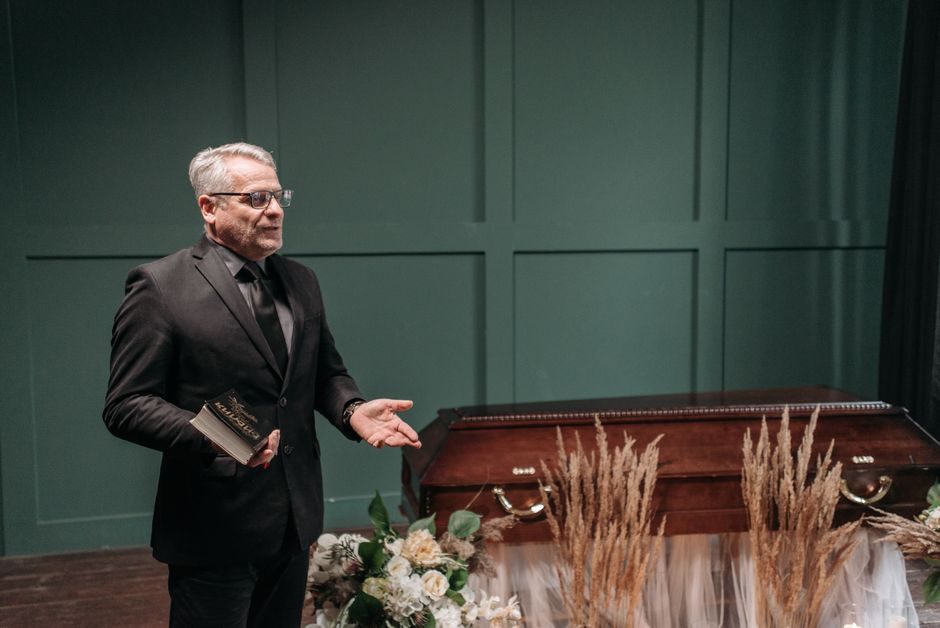
Best broadcast channels for notices
When announcing a death in Islam, choose channels that respect community norms and family wishes. Start with a concise statement to avoid misinterpretation, then provide essential details such as the deceased’s name, date, and the funeral arrangements. Consider the audience: close family, local communities, and wider readers who may want to pay their respects. business directory in London helps formal listings reach local communities while maintaining privacy.
Use formal, respectful language that matches the tone of the announcement. Avoid sensational phrasing and unnecessary personal details. If unsure, draft a short version for community bulletins and a longer version for a news notice to allow different publications to adapt as needed.
Provide practical examples of wording that can be adapted for bulletins and social posts. Include a note about religious practices when appropriate, such as the intention to perform funeral prayers or burial rites. This helps readers understand the scope of the notice and how to respond respectfully.
- Concise announcement first
- Confirm the family’s preferred wording
- Mention funeral or prayer details if known
- Offer a way to send condolences
Ethical boundaries
Respecting family privacy
Ethical notices protect the family’s privacy and dignity. Do not disclose sensitive personal information without consent. When in doubt, share only what is customary for public announcements and what the family has approved. advertise a job vacancy in London
Write with sensitivity to different cultural practices within Islam, recognizing that communities may have varying expectations about who should be informed and how. Offer a brief note about traditions without implying universal rules.
Explain how local religious or community leaders can advise on wording to avoid miscommunications. The aim is accuracy and compassion, not sensational detail or speculation.
- Obtain explicit consent for details
- Limit information to public-facing facts
- Avoid speculation or blame
- Respect religious customs in wording
Handling responses

Managing condolences and inquiries
After the notice, prepare for condolences from readers and community members. Have a single point of contact in the newsroom to handle replies and questions. Provide clear guidance on how to respond to offers of help and condolences.
- Designate a spokesperson
- Create a standard reply
- Track inquiries
- Publish timely updates
Be ready to redirect requests for additional information to the family or a spokesperson. Maintain a respectful, steady tone that avoids speculation or personal details not meant for public viewing.
Consider a follow-up note if details change, such as funeral times or venues, and ensure it clearly communicates any updates to minimize confusion.
- Assign a newsroom contact
- Provide a standard condolence reply
- Set expectations for timelines and updates
- Avoid sharing unverified details
Cultural considerations
Islamic practices and local contexts
Islamic funeral practices vary by culture and country, and readers should understand this diversity. When writing notices, avoid assuming a single approach to rites, burial, and prayers. Indicate any local customs that affect timing or procedure.
- A notice mentions a late morning funeral with salaah al-janazah
- Family invites attendees to a wake at a community hall
- Condolence messages can be sent to a designated inbox
Explain how the community typically handles wake periods, burial timelines, and prayer services. If in London, note venues that commonly host funeral prayers and where family members might gather. The goal is clarity about what to expect without imposing a standard format.
Offer practical notes for readers who want to participate respectfully, such as appropriate dress codes, conduct during prayers, and ways to offer condolences that align with religious etiquette.
- Different communities, different practices
- Mention local venues and timings
- Provide respectful participation tips
- Avoid prescriptive language about rites
Frequently asked questions
What should I include in a notice?A clear, respectful notice should include the deceased’s name, date of death, and any publicly known funeral or prayer details. Mention the family’s preferred contact for condolences and keep wording free of sensitive personal information. This helps readers respond appropriately without assumptions.
How do I handle comments from readers?Assign a newsroom contact to oversee replies and keep tone consistent. Use a standard condolence message and route questions to the family or a designated spokesperson. If readers ask for specifics not approved by the family, politely decline to share.
When is it appropriate to post a notice?Post promptly after the family confirms details, but only with their consent. If information isn’t ready, publish a brief note indicating the notice will follow when details are finalized. This manages reader expectations and respects privacy.
What if details change after publication?Issue a concise update with the new information and note why the update happened. Ensure the updated notice is clearly linked from the original and that readers know where to find the latest version.
Moving forward with care
News coverage of personal bereavement should balance public information with respect for the family’s privacy. When in doubt, err on the side of brevity and accuracy, and consult a family spokesperson before publishing details.
A short, clear follow-up note can help readers who want to respond while avoiding confusion. The practical next step is to establish a newsroom protocol: who speaks for the family, where updates go, and how readers should submit condolences.
Add Basingstoke Post as a preferred source on Google


